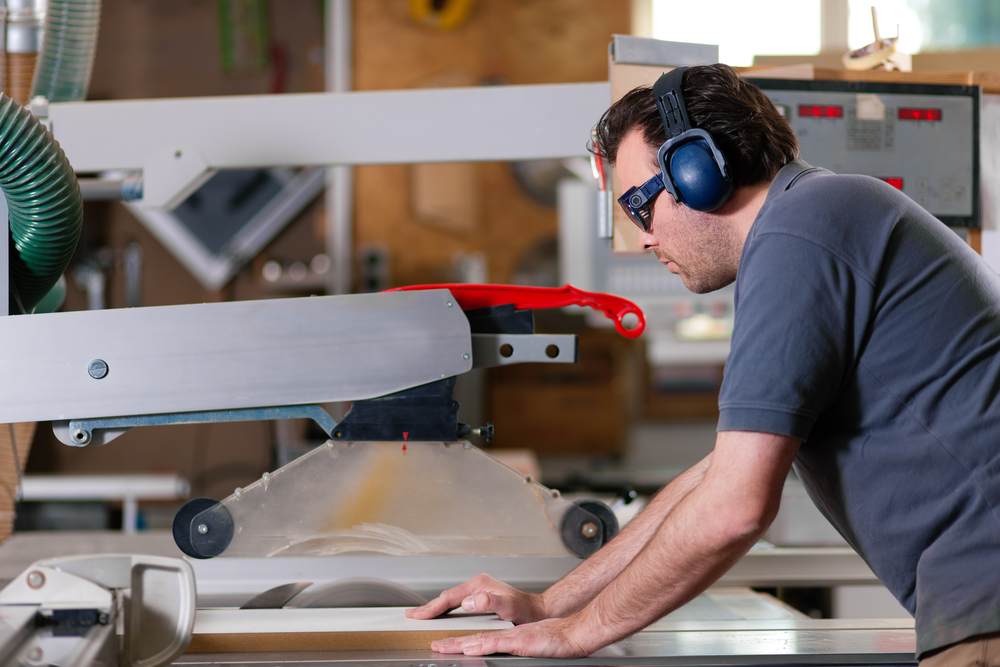
Working a prolonged time in loud noise can severely impact your hearing, particularly when sound intensity is above safe limits. Protecting your ears is crucial—not only for avoiding hearing loss but also for preserving focus in noisy environments. What is the most effective way to find the amount of hearing protection that is right for you?
How noise levels influence your hearing
Noise damage relies not only on the volume of the sound but also on how much time you are exposed to it. We use decibels—a unit that measures sound volume—as the best metric for understanding noise levels. Once noise gets to a level of 85 dB or above, it presents a risk to your hearing, mainly if the exposure is prolonged.
Consider that 85 dB is similar to the intensity of city traffic noise perceived while sitting in a car. While this may not seem overly loud, non-stop exposure for eight hours can start to harm your hearing. The safety window for exposure lessens proportionally as the noise level gets higher:
- 90 dB (Lawnmower): Up to 4 hours of exposure can be harmful.
- Keep your exposure to 100 dB (Power tools) to less than 1 hour.
- Damage is possible after only 15 minutes at the 110 dB level (Leaf blower).
- Even momentary exposure to 120 dB (e.g., a Rock concert) is enough to cause hearing damage.
- Exposure to 140 dB (Jet engine) results in immediate damage and intense pain.
Recognizing dangerous sound volumes
It is mandatory to use hearing protection if your routine exposure is to noise levels surpassing 85 dB. This holds most true in professional settings, such as factories, construction sites, or anywhere where equipment, tools, or gear generate high levels of noise.
You can encounter hazardous noise levels even in recreational hobbies—such as attending shows, utilizing leaf blowers, or shooting sports—making hearing protection prudent outside of a job setting.
Choosing protection based on Noise Reduction Ratings (NRR)
The efficacy of hearing protection is evaluated by its Noise Reduction Rating (the NRR). Expressed in decibels, this figure indicates the level of sound blockage the protective device is capable of blocking. A more substantial decrease in sound is guaranteed by increased NRR ratings. For example, earplugs with an NRR of 30 dB can lower an 85 dB noise level to 55 dB, placing you well within safe exposure limits.
When deciding on your protection, you should assess the actual noise intensity you are exposed to and verify the protector provides the necessary blockage to keep the sound below 85 dB.
Consistency depends on comfort: why it’s so important
While the NRR is a critical factor, comfort plays an equally crucial role in securing continuous use. If hearing protection feels uncomfortable or bulky, you may be likely to remove it—leaving your ears vulnerable to hazardous noise.
When the protection is comfortable, it encourages constant use and minimizes the risk associated with removing it periodically. Imagine if, for example, your earmuffs are too cumbersome or ill-fitting, you could remove them from time to time, leaving your ears exposed to harmful noise.
The main types of hearing protection devices
A variety of hearing protection options are available, all with their own set of advantages and drawbacks:
- Offering superior noise reduction, Foam Earplugs are placed inside the ear canal. While they are lightweight and disposable, some wearers may experience discomfort.
- Pre-Molded Earplugs are positioned slightly outside the ear canal; they are reusable—a more sustainable choice—and are also easier to handle than foam earplugs.
- Earmuffs, which cover the entire ear, are well-suited for environments with changing noise levels due to how easy they are to take on and off, but they can be heavy or hot during prolonged use.
Choosing the right type depends on your comfort and the requirements of your surroundings. By way of illustration, a construction worker might select earmuffs for their convenience, while someone working in a factory may select earplugs for all-day use.
Ensuring uninterrupted use
To ensure maximum efficacy, you must find the hearing protection you will wear all the time. Any interruption in use, even for a few minutes, can have lasting consequences for your hearing health. For this reason, finding a product that balances protection, comfort, and convenience is vital.
Ensure your future hearing health
While noise is ever present in our daily lives, using the correct hearing protection enables you to protect your ears and continue to appreciate the sounds of the world.
Call us today to review your likelihood of hearing loss from noise and the optimal ways to protect your hearing.