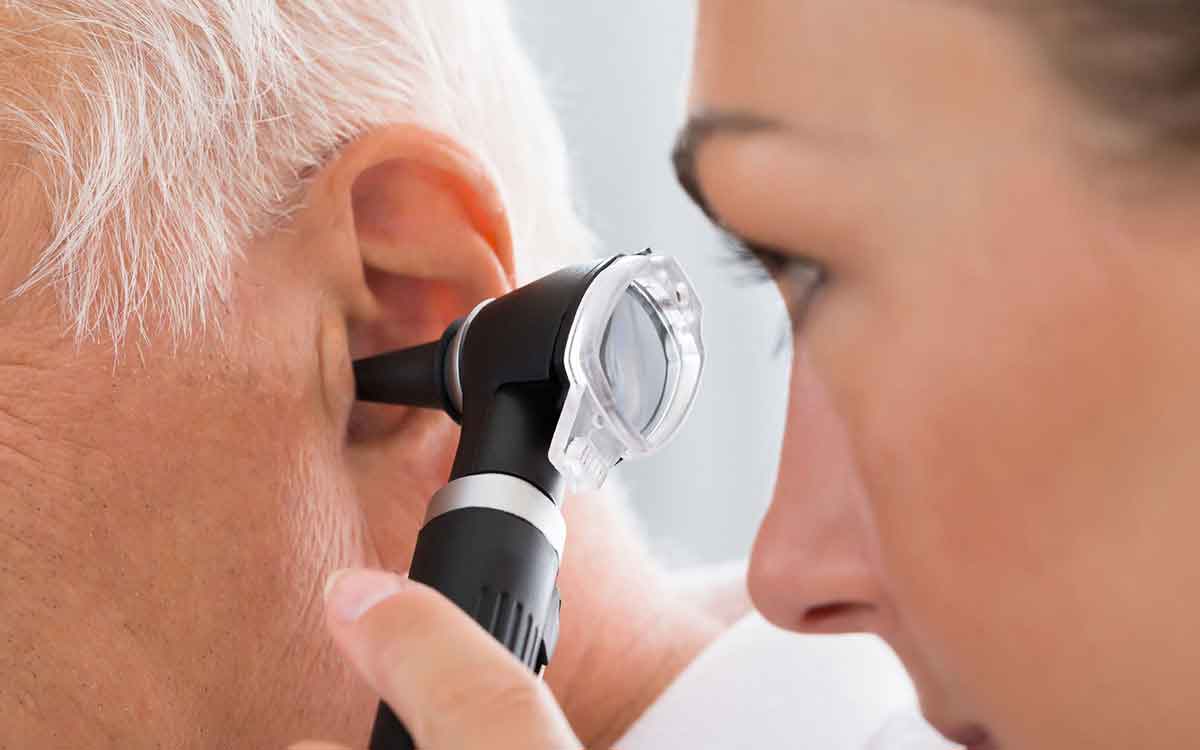
Auditory decline frequently manifests as an incremental process, which often results in the condition being missed during its early development. Numerous individuals compensate subconsciously by raising the decibels on the television, asking for clarification, or withdrawing from high-noise settings.
Yet, the prompt identification of hearing loss signs is key for protecting your hearing.
Common Symptoms of Early Hearing Loss
If you identify any of these indicators, we suggest arranging a professional hearing assessment to establish a baseline.
- Difficulty comprehending speech, particularly in loud areas with a lot of activity.
- Frequently requesting others to repeat information.
- The perception of indistinct vocal communication where words appear to merge.
- Setting higher volume levels for media than is typical.
- Trouble perceiving high-frequency audio, including high-frequency vocalizations, birds, or electronic alerts.
- Persistent ear ringing or humming associated with tinnitus.
- Mental drain after social events caused by persistent listening effort.
- Retreating from communal environments since following speech becomes difficult.
Initial symptoms of auditory decline may appear in either one or both ears and fluctuate in frequency initially. Since the auditory cortex adapts to changes, subconscious adjustments often go unnoticed until clinical hearing loss is substantial.
Understanding Hearing Impairment Through Data
The World Health Organization reports that the need for hearing support will impact 700 million people by 2050. Other significant statistics consist of:
- By 2050, approximately 2.5 billion people are projected to experience some degree of hearing loss.
- More than five percent of the global community (roughly 430 million people) requires clinical support to manage significant hearing loss.
- In excess of 1 billion young adults face the threat of irreversible hearing loss resulting from hazardous acoustic habits.
- Among those over the age of sixty, over 25% suffer from disabling hearing loss.
Why Timely Auditory Assessment Matters
Untreated hearing loss may influence your overall health in manners you may not realize.
Clinical research associates hearing loss with increased risks of withdrawal, depression, cognitive decline, and equilibrium problems.
Identifying symptoms at an early stage promotes optimal results and varied therapeutic choices.
A hearing evaluation can determine whether changes are due to presbycusis-driven hearing loss, noise exposure, earwax buildup, infection, or underlying pathology.
In some cases, auditory shifts are transient and treatable.
Alternatively, timely adoption of hearing aid technology or protective strategies can slow progression.
When to See a Hearing Specialist
An audiological visit is suggested if you observe:
- Auditory symptoms persist for more than several weeks.
- Auditory challenges disrupt occupational performance and social life.
- You experience acute auditory decline, dizziness, or persistent tinnitus (which requires immediate attention).
Assessments for hearing are comfortable and safe, yielding essential information regarding your physiological hearing status.
We encourage you to reach out to our clinic if you believe a hearing assessment would be advantageous.
Auditory Health FAQ: Initial Symptoms
Q: Are all auditory changes linked to getting older?
A: No, while aging is a factor, hearing loss can be precipitated by acoustic trauma, infection, or systemic health issues.
Q: Can hearing loss be reversed?
Answer: Specific causes, including earwax blockage, may be susceptible to reversal through treatment. While other forms are irreversible, they can usually be managed with professional treatment or hearing technology.
Question: How frequently should an individual undergo a hearing test?
A: Adults should have a baseline hearing test by age 50, or earlier if symptoms or risk factors are present.