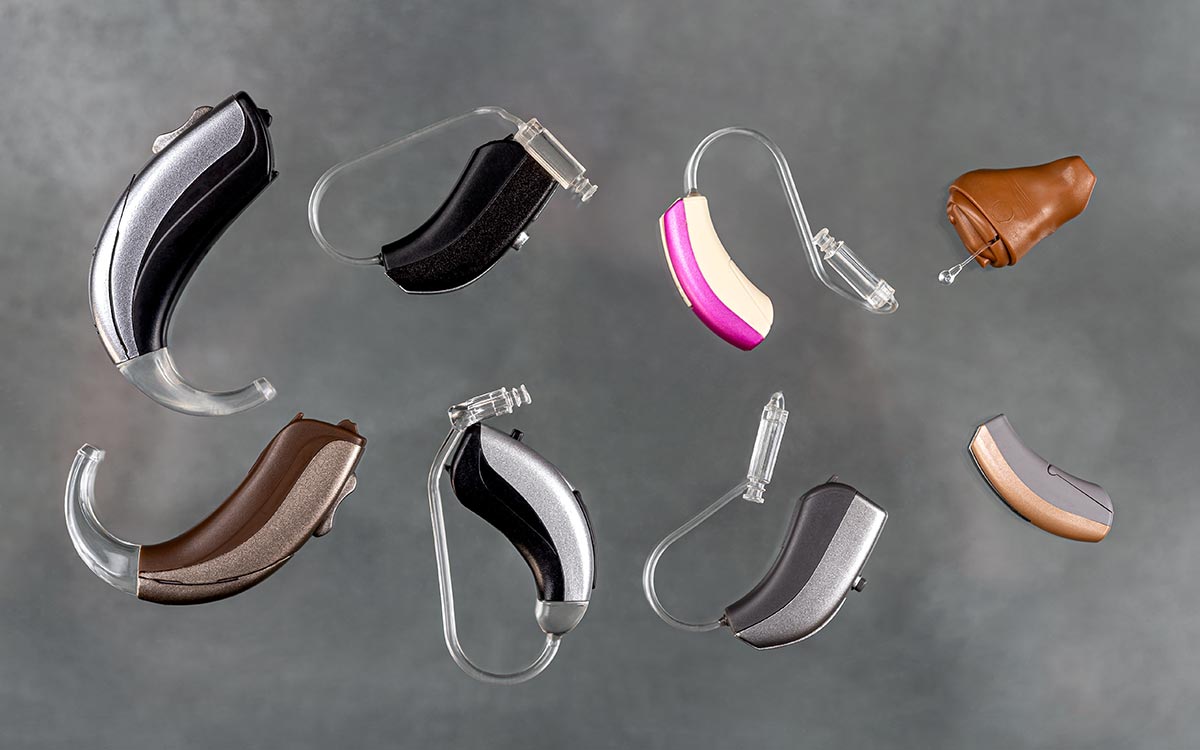
The sheer amount of hearing aid designs and technology levels on the market today can make the selection process feel complicated. Rest assured that there is a hearing device customized to every lifestyle and degree of impairment or tinnitus. It’s all about discovering which model aligns perfectly with your specific requirements.
By learning about the differences between various hearing aid models, you can move forward with greater confidence and knowledge. In this breakdown, we glance at current styles and the unique characteristics that define them.
In-the-Canal (ITC) Hearing Aids
Basic Overview:
ITC models are custom-made to sit within the ear canal, though an inconspicuous part of the shell remains visible in the ear’s outer portion.
Why people select them:
- Highly subtle than larger models
- Individualized molding guarantees long-term wearing comfort
- An effective option for those with moderate hearing needs
ITC devices offer a good equilibrium between visibility and functionality, making them a popular choice for first-time users.
Ultra-Discreet Invisible-in-Canal (IIC) Aids
Core Characteristics:
IIC models are the most tiny custom-fitted auditory solutions you can choose. They are inserted deeply within the canal to remain hidden from view.
Why they are popular:
- Offers the most understated design of any hearing aid style
- Microphone placement helps mimic the ear’s natural sound collection
- Lightweight and easy
The small form factor of IIC models renders them perfect for mild hearing loss and anyone who values an invisible hearing solution.
ITE (In-the-Ear) Model Summary
Product Details:
These models occupy either the full or bottom half of the outer ear bowl. These are custom-fabricated for an exact fit based on your ear’s anatomy.
Why users select them:
- Larger size allows for more features and longer battery life
- Provides a more manageable process for those who struggle with tiny accessories
- Effective for an extensive range of hearing impairments, ranging from mild to severe
ITE models are often chosen by individuals who want a simple, all-in-one design without behind-the-ear components.
Traditional BTE Models
Operation:
BTE hearing aids rest securely behind the ear. These models utilize a custom earmold or tubing to direct sound inside.
Common Reasons:
- Very versatile and durable
- Effective for nearly every level of hearing impairment
- Provide space for advanced features and rechargeable batteries
For those who prioritize a dependable device that is easy to manage and provides plenty of volume, BTE is an excellent choice.
RIC (Receiver-in-Canal) Overview
What they represent:
RIC hearing aids appear comparable to BTE models, but the speaker (receiver) sits inside the ear canal rather than inside the device behind the ear.
Why people select them:
- Highly organic sound quality
- Offers a very low-profile appearance that is comfortable for almost everyone
- Flexible enough to address an extensive range of hearing impairments
The combination of design and high-end performance renders RIC models an ideal choice in the modern market.
Understanding Long-Term Systems
What they are:
Extended-wear models are fixed units that an expert fits into the ear for an interval of several weeks.
The Appeal:
- Zero routine insertion or removal
- Offers an entirely covert solution for hearing health
- You can move about your whole life—including sports and rest—while wearing them
Extended-wear devices are ideal for patients who want an effortless approach.
Smart Hearing Aids with Wireless
Digital Attributes:
Bluetooth-ready hearing aids allow for a wireless digital bridge between your hearing technology and your smart devices.
Why people choose them:
- Stream calls, music, and audio directly to the hearing aids
- Allows for instant, subtle adjustments to your hearing aids through digital software
- Provides the ultimate in convenience for those who use smartphones regularly
This wireless technology is located in many modern behind-the-ear and in-the-canal models.
Alternative Implantable Options
What they are:
A surgical method that works by vibrating the tiny bones inside the ear to provide amplified audio.
Medical Reasons:
- Choice for those who cannot use traditional hearing aids
- Solves the issue of ear discomfort caused by regular hearing aids
Middle-ear implants are typically recommended only after an exhaustive evaluation by a hearing specialist.
Finding the Hearing Aid That Fits Your Lifestyle
Selecting an instrument is an individualized journey that takes into account your hearing severity, lifestyle habits, and visual preferences. An expert care professional can lead you through your choices, answer questions, and help you experience how different devices look and feel.
Start traveling toward a world of better sound by arranging an appointment with a hearing specialist. Your journey toward confident communication starts with your first hearing evaluation.
Sources:
https://www.mayoclinic.org/diseases-conditions/hearing-loss/in-depth/hearing-aids/art-
20044116
https://www.hearinglife.com/hearing-aids/types
https://www.nidcd.nih.gov/health/hearing-aids