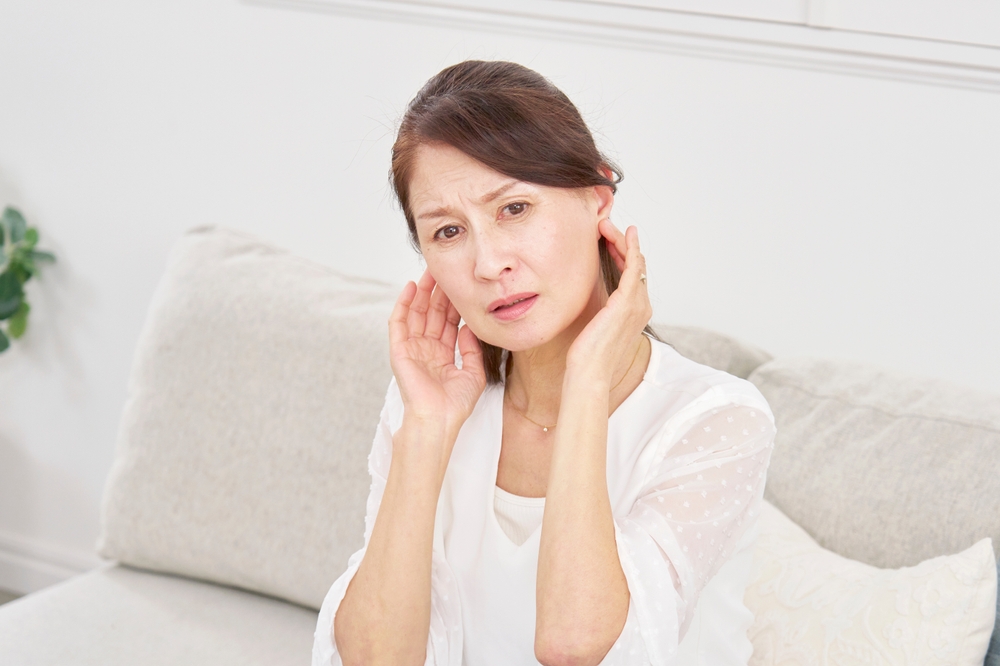
Beginning your morning only to find your hearing has vanished creates an instant sense of panic. This type of hearing impairment is remarkably rapid, often manifesting without any physical discomfort or preliminary symptoms. While some causes are temporary and simple to resolve, others demand immediate clinical intervention.
Gaining insight into why hearing drops suddenly and prioritizing immediate care is essential for long-term health. Below, we review the traits of sudden hearing impairment along with clinical advice on contacting a specialist.
What Is Sudden Hearing Loss?
Sudden hearing loss typically refers to a swift decline in hearing covering several hours to a maximum of three days. It may impact one ear or, less frequently, both. Presentations include dullness of sound, persistent ringing, a feeling of pressure, or an inability to follow conversation.
The Urgency of Sudden Sensorineural Hearing Loss (SSHL)
Among all triggers, SSHL demands the most immediate clinical assessment.
This specific impairment arises from irregularity within the inner ear, the auditory nerve, or the brain’s processing centers. Though a definitive cause may be difficult to pin down, the following factors frequently play a role:
- Vascular limitations affecting auditory nerve function
- Swelling or immune response
- Viral infections
- Advanced neurological conditions
Because of the fact that early therapy can restore hearing function, SSHL is always treated as an immediate medical priority.
Viruses and Inner Ear Health
Pathogenic activity often leads to inflammation in the hearing nerve, resulting in significant auditory changes.
Medical research connects the following viruses to swift changes in hearing sensitivity:
- Viral cold and sinus infections
- The annual flu virus
- Herpes-based infections
- Potential auditory complications following COVID-19
You may notice hearing shifts as a virus resolves, often coupled with a sense of instability or pressure.
Impact and Auditory Trauma
Direct impact to the skull, swift shifts in atmospheric pressure, or intense sound blasts can injure the ear’s internal mechanisms.
The following scenarios are typical causes of injury-based hearing impairment:
- Severe brain injuries or concussions
- Rapid fluctuations in ambient pressure
- Exposure to extremely loud sounds
- Fluid leaks or shifts within the labyrinth
Minor impacts can still compromise auditory function, particularly if shifts manifest immediately following the event.
Conductive Blockages: The Role of Earwax
Though cerumen buildup is typically benign, a significant blockage can trigger an immediate shift in auditory clarity.
Symptoms of blocked wax typically:
- Manifest with surprising speed
- Present as a persistent internal pressure
- Primarily impact one ear
- Subside once the canal is professionally cleared
Importantly, you should not assume wax is the cause, as the symptoms of nerve loss often overlap with a simple blockage. That’s why clinical testing is critical.
Exploring Secondary Triggers for Hearing Changes
The following conditions are also noted as potential sources of sudden hearing decline:
- Ototoxic drug reactions
- Vascular irregularities in the hearing system
- Systemic autoimmune attacks on the cochlea
- Benign growths impacting the vestibulocochlear nerve
A detailed assessment by an expert provides the clarity needed to rule out these rare conditions.
The Time-Sensitive Nature of Treating Hearing Loss
The most important messages around sudden hearing loss is don’t wait and see.
Prompt evaluation can:
- Determine if the hearing loss is clinically reversible
- Increase the likelihood that treatment will restore hearing
- Mitigate the risk of lasting auditory deterioration
- Decrease the likelihood of facing permanent speech-understanding issues
Professional audiological assessments are fundamental in identifying the specific nature of the loss and directing treatment.
Identifying Red Flags for Urgent Hearing Care
Do not delay seeking a professional if you encounter any of these sudden changes:
- Unexpected deafness occurring in one or both ears
- A loss of hearing accompanied by vertigo or lack of coordination
- A sudden sensation of ringing or intense aural pressure
- Hearing loss after illness or injury
Even if symptoms subside, you still require a formal assessment to identify the root cause.
Utilizing Diagnostics for Fast Hearing Results
A professional test provides an immediate answer as to whether the impairment is:
- Related to mechanical blockages or conductive barriers
- Sensorineural, affecting the inner ear or hearing nerve
- A transient condition or a permanent auditory change
Swift testing is the foundation for timely medical action and superior long-term results.
Prioritizing Your Auditory Health and Peace of Mind
Abrupt hearing changes are naturally frightening, yet prompt action is your best path toward restoration.
Choosing to get evaluated immediately after a change in hearing ensures you are taking the right steps for your future. We are standing by to help manage your abrupt hearing changes: Reach out to our team today for priority care.